Pizza House Simulator Getting Started
Open the family shop, finish the first tickets, and leave enough cash for a second oven path.
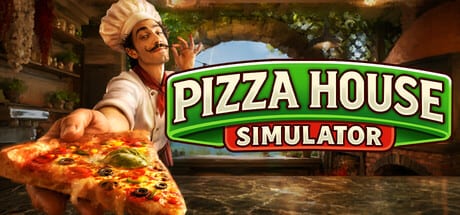
Pizza House Simulator hands you a struggling Amalfi pizzeria and asks you to turn it into an empire. The Steam build that launched on 19 August 2026 supports a full solo campaign and online co-op for up to six players. This page is the first-shift plan. It is not a decoration catalog and it is not a stock-market lecture. If you still need the cooking animation broken into stations, jump to How to Make Pizza after you understand why the first hour is about tickets, not terracotta walls.
What you actually own on day one
You own a kitchen line, a dining room, and a town that changes with weather, news, and customer mood. The fantasy is Mediterranean. The scoring is brutally practical: stretch dough, sauce, bake, serve, repair, and collect. The store page lists impatient customers for a reason. A ticket that waits too long is a lost star and a lost tip, which is a lost upgrade. Treat the first day like a drill, not a sightseeing tour of the coast.
Walk the floor once before you take a live ticket. Find the dough area, the sauce, the oven, the pass, the bin, and whatever repair tool the build gives you. Demo-era Steam news also added a portable order tablet: pick it up and carry the ticket list to the stone or the counter so you are not glued to a wall screen. Table numbers need to be readable from the line; later patches already called out distant table labels because owners were losing plates. If a container looks empty, believe it. Dough, oil, and sauce powder can hit zero in the middle of a rush, and the game now shows a depleted mesh so you stop pretending the bin is full.
A first-hour loop that does not collapse
- Prep a small buffer of dough before the door gets busy. Do not flood the board with six skins you cannot bake.
- Pin or keep the current recipe in view so you do not invent toppings.
- Sauce inside the crust line. Uneven sauce is slower than you think because you will recook or recut.
- Respect oven time. Burnt pies teach nothing except how fast a star rating drops.
- Plate, call the table, and reset the station. The pass is not storage.
- If a machine coughs, repair it between tickets, not after a fire tooltip.
That loop is the whole early game. Assistants and automation come later; they are covered in Kitchen Automation and ranked in kitchen upgrades. Buying a lamp before a faster oven is how a pretty shop still fails Sunday lunch.
Money, news, and the urge to gamble
The full release adds bank loans, a stock market, radio, newspapers, and ingredient shocks. A tomato farmer strike can be a warning or a payday depending on whether you listened. Ignore that layer until you can run a quiet lunch without burning pies. The playstyles page explains mottos and profit-versus-satisfaction tradeoffs. Gambling—horse races, blackjack, slots—can spike cash or delete the night. Treat it as late-game spice, not a starter fund.
Solo versus a six-player kitchen
Solo is intended, not an afterthought. Escape pauses a solo session. If a friend joins through Steam, that pause lifts, which is a gift and a trap: you may have been in a menu. Co-op is online, not split-screen-only. Host from the co-op menu, pick online or LAN, then invite. Details live in Co-op Multiplayer and the role planner. Do not learn hosting during your first dinner.
What to buy after the first profitable close
Spend on the bottleneck you felt. If pies wait on the stone, upgrade the oven path. If you cannot leave the board, look at assistants. If the dining room is fine but the walk to the freezer is a marathon, fix layout before cosmetics. The first-shift checklist is a printable order for that close. If the executable will not start, skip this article and use troubleshooting plus system requirements.
The video in the middle of this page is a from-scratch first look, useful for seeing the shop as a space rather than a list of verbs. Watch it for layout, then come back and run one lunch with the checklist beside the keyboard. After that lunch, you are ready for Rush Hour and, when the machines start lying, disasters.
Keep the Guides Hub bookmarked. Official store and demo links sit on the Links Hub. This wiki is unofficial; refunds, languages, and patch notes always belong on Steam.
Frequently Asked Questions
Quick answers drawn from the kitchen loop, co-op lobbies, and economy systems.
Should I start in sandbox or story?
Use the mode that keeps progression and quests if you want unlocks. Sandbox is for messing with layout after you already understand tickets.
Do I need friends on day one?
No. Solo is balanced with later assistants. Add co-op when you can explain the loop out loud.
When do I touch stocks or slots?
After a few clean services and a cash buffer. News and radio matter; gambling does not replace a working oven.